








I. Brand History (1735 to Present, Uninterrupted)
Blancpain is the world’s oldest existing luxury mechanical watch brand that has never ceased production and has never manufactured quartz watches.

1735: Jehan-Jacques Blancpain registered the brand in the town of Villers in the Swiss Jura Valley, ushering in the era of “branded” timepieces.
1815: Frédéric-Louis Blancpain, the fourth-generation heir, developed an ultra-thin movement and a new escapement, laying the foundation for Blancpain’s ultra-thin technology.
1932: Betty Fiechter took the helm, becoming the first female CEO in the luxury watchmaking industry.
1953: The Fifty Fathoms was launched, the progenitor of modern diving watches. It defined seven industry standards for diving watches—including a unidirectional rotating bezel, 300-meter water resistance, and an anti-magnetic movement—and was adopted by the French Navy and the U.S. Navy SEALs.
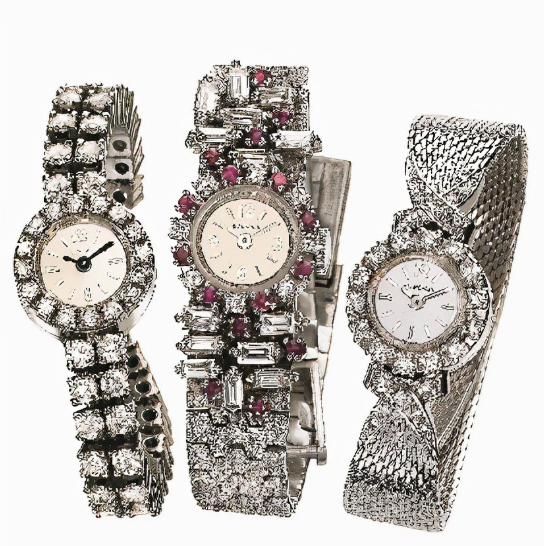
1956: The Ladybird was launched, featuring the world’s smallest round mechanical movement, setting the standard for complex movements in women’s watches.
1983: During the quartz crisis, Blancpain bucked the trend by launching the Villeret Full Calendar Moon Phase, spearheading the revival of mechanical watches.
1991: Launch of the 1735 ultra-complicated automatic watch, which combines a tourbillon, minute repeater, perpetual calendar, and split-seconds chronograph. It remains one of the world’s most complicated automatic watches to this day.
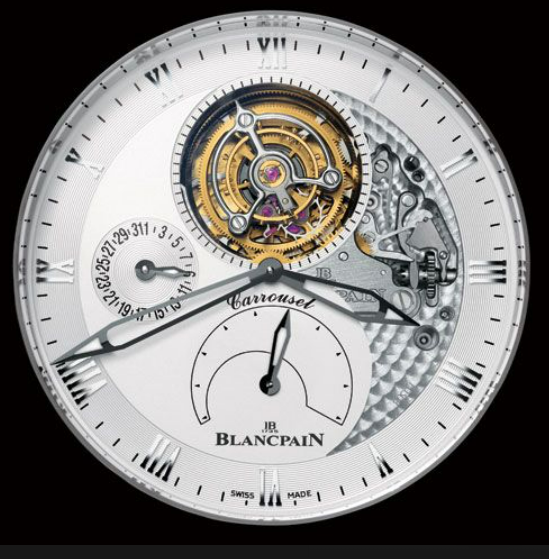
2008: The “Qiankun Carousel” was added to the collection of the Palace Museum, becoming the museum’s first contemporary mechanical wristwatch.
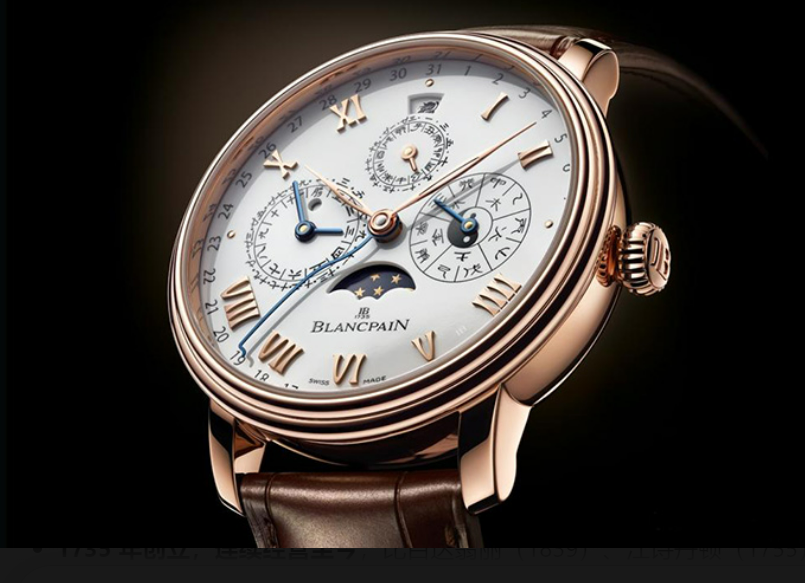
2012: Launch of the Chinese Calendar watch, the first to integrate the Chinese zodiac, the 12-branch cycle, and the lunar and solar calendars into a mechanical movement—a prime example of the fusion of Eastern and Western time philosophies
II. Core Advantages (Why “Tian Di Liang Xin Bo”)
1. Historical Significance: Three centuries of uninterrupted production—a “living fossil” of mechanical watches
Founded in 1735, the brand has operated continuously to this day—predating Patek Philippe (1839) and Vacheron Constantin (1755). It has never ceased production, never changed ownership, and never produced quartz watches.
Venerated in the watch industry as the **“Conscience of the Watch World”**: it features solid materials, top-tier finishing, reasonable pricing, and high resale value in the secondary market.
2. Fully In-House + Handcrafted: 100% In-House Development and Manufacturing from Movements to Cases
Complete Industrial Chain: With its own movement factory, case factory, and high-complication workshop (La Ferme), Blancpain maintains full control over the entire process—from design and R&D to manufacturing and assembly—and never uses off-the-shelf movements.
One Watch, One Master: Each movement is hand-assembled, finished, and signed by the same watchmaker throughout the entire process; top-tier models are engraved with a unique Blancpain serial number.
The Peak of Finishing: Full polishing and beveling inside and out; even entry-level models feature an 18K gold rotor. Both visible and hidden parts of the movement are meticulously finished, far exceeding industry standards.
3. Technical Benchmark: Setting the Standard in Three Key Categories—Dive Watches, Ultra-Thin Watches, and Complicated Functions
King of Dive Watches (Fifty Fathoms): In 1953, Blancpain pioneered the unidirectional rotating bezel, double-sealed crown, and anti-magnetic movement, establishing the standard for modern dive watches. It entered mass production for military use even before the Rolex Submariner.
Pioneer of Ultra-Thin Movements: Since 1815, Blancpain has dedicated itself to ultra-thin technology. The Villeret collection is renowned for its minimalist elegance and ultra-thin automatic movements, establishing Blancpain as the benchmark for dress watches.
Expert in Complicated Functions: Tourbillon, minute repeater, carousel, perpetual calendar, and Chinese calendar are all in-house developments. The 1735 ultra-complicated watch, the Qiankun Carousel, and the Chinese calendar represent three major milestones, symbolizing the pinnacle of mechanical watchmaking.
4. Cultural Fusion: Western Craftsmanship × Eastern Aesthetics
The Palace Museum Collection: In 2008, the “Qiankun Carousel” was added to the Palace Museum’s collection, becoming a symbol of the fusion of Chinese and Western watchmaking cultures.
Chinese Calendar: In 2012, the world’s first mechanical watch featuring the Chinese sexagenary cycle, zodiac signs, and the lunisolar calendar was introduced, accurately recreating China’s traditional time system and embodying both high cultural and technical value.
5. Unwavering Commitment: Dedicated Exclusively to Mechanical Watches, Refusing Compromise
A 300-Year Ironclad Rule: Never having produced a quartz watch, the brand steadfastly adhered to mechanical watchmaking during the Quartz Crisis (1970–1980), innovating against the tide to safeguard the purity of mechanical watchmaking.
No Sensationalism, No Logo Overload: Low-key and understated, the brand wins through movement finishing, craftsmanship details, and practical functions, with word-of-mouth reputation reigning supreme.
III. Summary in a Sentence
Blancpain = 300 years of unbroken history + top-tier craftsmanship with fully in-house, hand-finished movements + the benchmark for diving watches and complex functions + a model of East-West cultural fusion + an unwavering commitment to mechanical watches alone—making it the “conscience choice” in the hearts of watch connoisseurs.